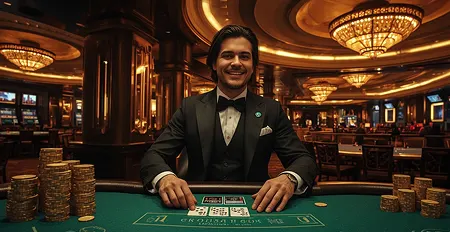
Top 10 Richest Gamblers in the World
Some people play for fun. Others play to win and keep going until they succeed. This article covers the top 10 richest gamblers in the world. From blackjack pros to betting masterminds, these are the names who turned skill, strategy, and risk into serious money. You’ll learn how they did it, what made them different, and where new players can start if they want to follow the same path.

Quick Snapshot
- Kerry Packer had around $5 billion and once won $20 million in 40 minutes playing blackjack.
- Several used math-driven strategies such as card counting, betting models, or AI-style algorithms.
- Horse race data helped Bill Benter win hundreds of millions.
- Syndicates and private firms helped amplify profits, placing billions in annual wagers.
- Some diversified into business or sports, while others walked the line of legality.
The phrase “the house always wins” holds true for most. But not for everyone. Some gamblers change the game by using skill or placing big bets.
These are not casual punters. These are names that have turned betting into long-term profit. Here’s how they made it to the top — and how much they walked away with.
1. Kerry Packer – $5 Billion
Australia’s richest gambler in the world wasn’t just rich from business. He was famous for risky gambling. Packer had no problem dropping tens of millions during losing streaks. But when he was hot, it was historic.
One standout: 20 million won in 40 minutes playing high-stakes blackjack at $250,000 per hand.
His worst run? From late 1999 to mid-2000, he lost $22 million at casinos in London and Vegas. But wins like the 1995 blackjack blitz solidified his legend. For Packer, gambling wasn’t just a hobby — it was a battleground.
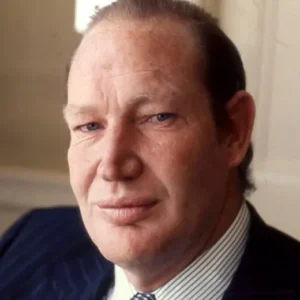
2. Tony Bloom – $1.5 Billion
A sharp mind with a math degree and a low profile. Bloom began at poker tables but shifted focus to data-driven sports betting.
They called him “The Lizard” for staying calm at the table. He made over $2.5 million and played in major poker events. But the bulk of his fortune didn’t come from cards. He started Starlizard, a company that places big bets on football using data.
Starlizard isn’t just a firm. It’s a machine built to extract value from odds others overlook. Bloom also owns Brighton & Hove Albion FC, using data to run both his club and his bets.
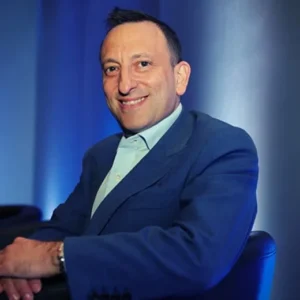
3. Bill Benter – $1 Billion
Bill Benter turned numbers into profit. After a short stint as a blackjack card counter in Las Vegas, he shifted to Hong Kong horse racing.
He worked with Alan Woods to build one of the first betting systems for horse racing. At first, it didn’t work well. After improving it many times, it started making tens of millions each year.
His biggest win came from the Triple Trio in Hong Kong. This bet asks you to pick the first three horses in three different races. His model nailed it.
Today, Benter has stepped away from active betting. These days, he teaches and helps charities using the money he made.
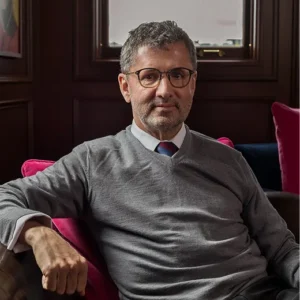
4. Edward Thorp – $800 Million
Edward Thorp changed blackjack forever. He created the concept of card counting and then tested it himself.
On his first real test weekend, Thorp won $11,000 using the method. In 1962, he shared everything in his book “Beat the Dealer”, which went on to sell over a million copies.
His work didn’t stop at cards. Thorp also built the first wearable computer, designed to crack roulette odds. Later, he applied his statistical edge to financial markets, where his wealth multiplied.
Thorp isn’t just a gambler — he’s the architect behind many betting systems used today.

5. Alan Woods – $500 Million
Alan Woods walked a similar path to Benter. Both started out as card counters. Both were banned from casinos. Together, they took their skills to Hong Kong’s racing scene.
After a personal fallout, Woods built his own system, just as sharp. His system made hundreds of millions and made him one of the top racing bettors.
Once under scrutiny, Woods relocated to the Philippines, where he continued betting privately. He joined Zeljko Ranogajec to run a major betting team. Woods died in 2008, but his ideas still matter in racing.

6. Zeljko Ranogajec – $420 Million
People in the betting world call him “The Joker.” Zeljko Ranogajec is quiet, but one of the most powerful professional gamblers today.
He started by counting cards at blackjack and turned a few hundred dollars into millions. After working with Alan Woods, he started his own betting team called The Bankroll. They placed lots of bets using smart tools.
His team focuses heavily on horse racing, placing an estimated $3 billion in bets each year. He gets cashback and deals from bookmakers just for placing big bets, even if he doesn’t win.
He rarely gives interviews, but his financial footprint is hard to hide. Reports link him to One Hyde Park, one of the world’s most expensive residences. At one point, his bets were estimated to account for a third of Betfair Australia’s entire turnover.

7. Billy Walters – $200 Million
Billy Walters is widely recognized as one of the top gamblers in the world. He once claimed he had only one losing season across 39 years of betting.
His edge came from data. Walters used numbers to find better odds and won about 56–60% of his bets. He focused heavily on college sports, where bookmakers paid less attention. ESPN reported he placed a $250,000 bet on Old Dominion, showing he focused on small teams.
Walters eventually shifted into finance. In 2017, he was convicted of insider trading and sentenced to five years. He served four before being pardoned in 2021.

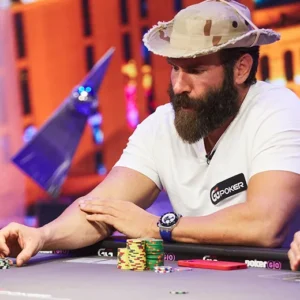
8. Dan Bilzerian – $200 Million
Dan Bilzerian claims poker made him rich. Most people know him from Instagram, but he says he made his money from private poker games.
Unlike others on this list, Bilzerian rarely appears at public events. His best-known tournament result is a 180th-place finish at the 2009 World Series of Poker. He says he avoids casino player pros and prefers games against wealthy amateurs. He says he won $50 million in a single night, but no records back it up.
His story divides opinion. Some believe the numbers. Others remain skeptical. Even if it’s all private, Bilzerian is closely linked to big underground poker games.
9. David Walsh – $200 Million
David Walsh started gambling while studying at the University of Tasmania. At university, he met Zeljko Ranogajec. They went to Las Vegas to try their blackjack system.
Back in Tasmania, Walsh focused on coding. He created a tool to guess horse race results, which became key to Ranogajec’s team.
Ranogajec said Walsh did the hard math that helped them win in the beginning. Walsh also took bold risks. At one point, he spent $11 million on lottery tickets to chase a $60 million prize.
Today, Walsh puts most of his energy into art. Walsh used his money to build MONA, a private museum in Tasmania that cost over $200 million.

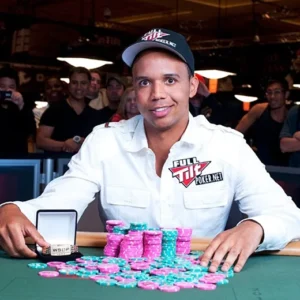
10. Phil Ivey – $100 Million
Phil Ivey is a confirmed pro. He doesn’t show off online or rely on hype. He’s just one of the most respected famous gamblers in poker.
He’s won 10 WSOP bracelets, a World Poker Tour title, and earned millions in tournaments and private games. One of his most famous sessions came against banker Andy Beal. According to reports, Ivey took $16.6 million from him in a single matchup.
Ivy does not rely solely on intuition. He wins by reading players and remaining steadfast. Many consider him the best player in the world, and his victories are real and documented.
Where to Start to Become the Richest Gambler
Every success story begins somewhere. In gambling, the first step is learning how risk, timing, and discipline work together. We recommend starting with the Aviator game. It’s simple but helps you learn timing, control, and how to manage your money.
Not sure how to play the Aviator game? Just place a bet, watch the multiplier go up, and cash out before it crashes. The challenge is in timing and risk control.
Aviator is simple on the surface, but rewards focus and fast reactions. You follow the multiplier, choose when to cash out, and learn how your decisions change what you win. Each round builds awareness, something every professional gambler values.
Aviator predictor tools also exist, though we suggest caution. Some tools try to predict the game, but smart decisions matter more than shortcuts.
We’ve seen players build skills and confidence in Aviator, then move on to poker or sports betting. It’s not about luck alone. It’s about using timing and patience to turn small wins into steady progress.
Start small, stay disciplined, and treat every session as practice. That’s how real gamblers grow and how we believe future success begins.
FAQ
Can someone earn a living from gambling like these individuals?
It’s possible, but rare. Most players lose money over time. The people on this list represent outliers, not the norm. Even with strong skills, success depends on discipline and strict bankroll control. Games like Aviator help you learn about risk and timing, but they don’t promise steady wins.
What skills do professional gamblers need to succeed?
They need strong math skills, sharp focus, and the ability to manage risk under pressure. Many build their edge through data models, pattern tracking, or deep knowledge of one game. Some start with simple formats like Aviator to build fast decision-making habits. All rely on structure, not guesswork.
How do casinos respond to advantage players?
Casinos don’t welcome players who find an edge. Card counters may be banned. High-limit bettors may face reduced table limits. Some venues use facial recognition or alter rules to prevent repeat strategies. Most professionals switch to sports or private games where there are fewer limits.
Is gambling income taxable?
Yes. In many countries, gambling winnings count as taxable income. Professional gamblers often register as self-employed and must keep detailed records. Tax treatment varies by region, some countries tax it heavily, others not at all. Many hire accountants who understand this space to handle reporting and legal filings.